


If you’re buying a new home, you’re probably knee-deep in mortgage terms, interest rates, and financial jargon that seems designed by someone who enjoys making things complicated. DRC is here to play matchmaker: we’ll make sure you understand the mortgage you’re taking on and connect you with a vetted lending partner.
Right now, your head is probably spinning:
- It’s your first-ever home, a place to call home that will truly be yours.
- It likely feels like there are nothing but complicated loan options.
- And maybe you aren’t even sure if you qualify.
As a first-time homebuyer, you may find that an FHA loan is a great fit for your needs. Along the way, people helping you may also mention other options, such as conventional or VA loans, so it’s helpful to understand how FHA compares.
What Is an FHA Loan?
An FHA loan is a mortgage insured by the Federal Housing Administration (FHA), a government agency within the U.S. Department of Housing and Urban Development. FHA loans are offered through approved private lenders and are designed to make homeownership more accessible by offering flexible qualification guidelines and lower down payment options.
While FHA loans aren’t exclusively for first-time homebuyers, they can be a helpful option for buyers who may have limited savings or need more flexibility when qualifying for a mortgage.
Benefits of FHA Loans for First-Time Buyers
Low down payment requirement: One of the biggest advantages of an FHA loan is the ability to purchase a home with as little as 3.5% down, which can reduce the upfront cash required.
Debt-to-income ratio: FHA lenders may have flexibility when evaluating your debt-to-income ratio, the share of your monthly income that goes toward debt payments. That flexibility can help buyers qualify for their new home.
Lower credit score requirement: FHA loans may be an option for homebuyers who do not meet the credit score requirements of conventional mortgages. This can make homeownership more attainable for your family.
Easier qualification guidelines: Because FHA loans are government-backed, lenders can offer more flexible qualification requirements. This makes them particularly appealing to first-time buyers, recent graduates, and those who may have faced credit challenges.
FHA Loans vs. Conventional and VA Loans: What’s the Difference?
FHA loans aren’t the only option when buying a home. Here’s a quick look at how a few of these mortgage programs compare.
| Loan type | Key features | Who it’s for |
|---|---|---|
| FHA loan | Government-insured, with down payments as low as 3.5% for qualifying borrowers and flexible credit guidelines. Mortgage insurance is required. | Buyers who want a lower down payment or may need more flexibility when qualifying. |
| Conventional loan | Privately funded without government insurance. Down payment requirements vary by program. Private mortgage insurance is typically required with less than 20% down. It protects the lender if the borrower defaults. Homeowners insurance covers different risks. | Buyers who meet conventional lending requirements and want to compare down payment and mortgage insurance options. |
| VA loan | Backed by the Department of Veterans Affairs. Eligible borrowers may qualify for financing with no down payment. | Eligible veterans, active-duty service members, and certain surviving spouses. |
Which Loan Type Is Right for You?
There isn’t one mortgage option that’s best for everyone. Your credit score, savings, income, existing debt, and eligibility all play a role in determining which loan makes the most sense.
Comparing options with a qualified lender can help you understand the down payment, monthly payment, mortgage insurance, and overall costs associated with each loan.
How DRC Helps You Take the Next Step
Once you have a better understanding of your mortgage options, the next step is figuring out what works for your budget. Direct Residential Communities makes it easy to explore new homes and connect with one of our preferred lenders to discuss financing options.
You can also use the mortgage calculator on our website to get an estimate of what your monthly payments could look like. One of our preferred lenders can help you understand your purchasing power, review your financing options, and determine what you may qualify for.
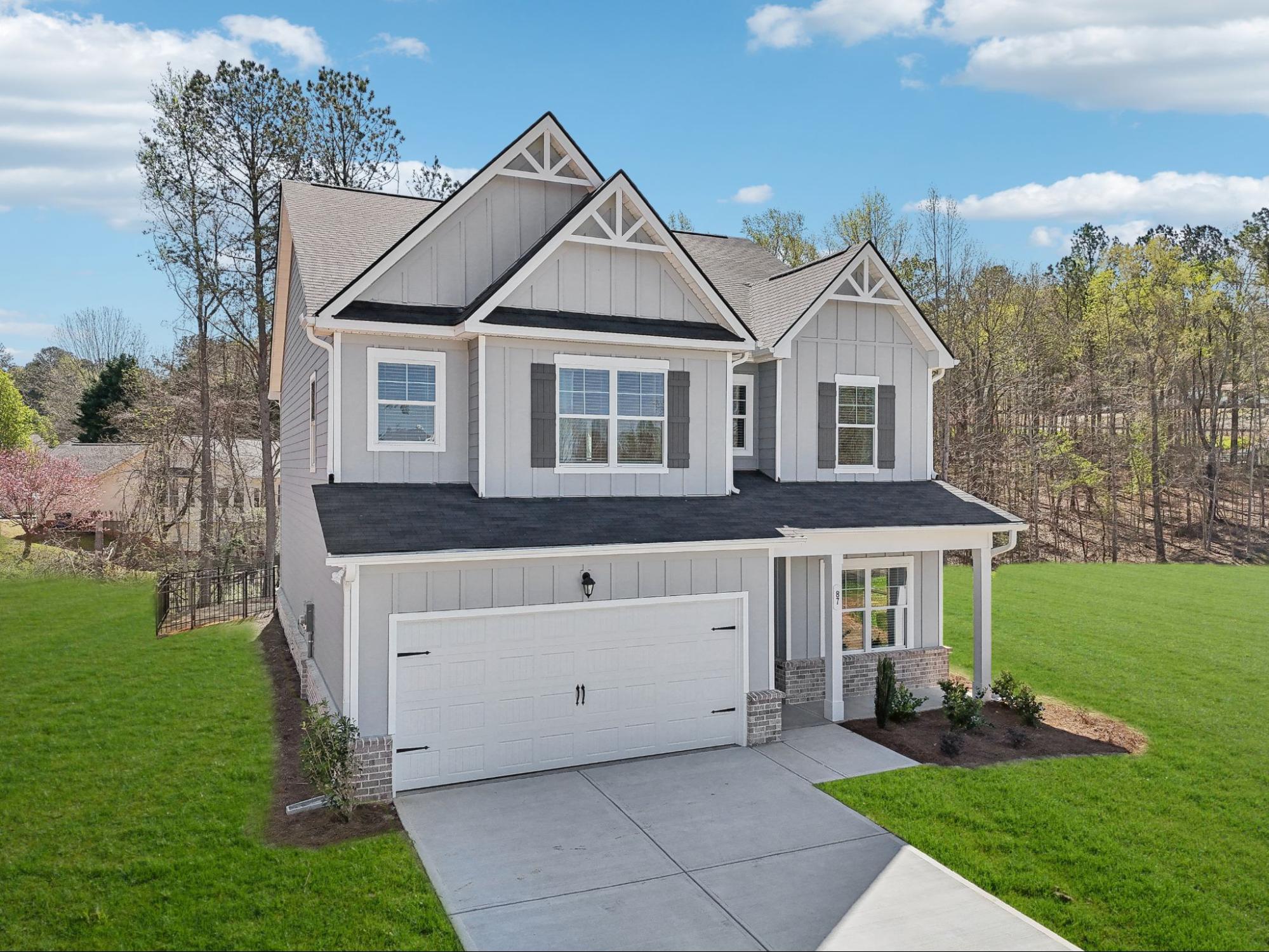
Ready to take the next step toward homeownership? Get prequalified with one of our preferred lenders and add a DRC new construction home to the top of your wish list! Explore our new home communities, find a home that fits your needs, and schedule a tour with Direct Residential Communities.
Frequently Asked Questions About FHA Loans
Do I have to be a first-time homebuyer to get an FHA loan?
No! FHA loans aren’t limited to first-time homebuyers.
How much money do I need for an FHA loan down payment?
Some borrowers may qualify for an FHA loan with as little as 3.5% down, depending on their credit score and lender requirements. A larger down payment may be needed in other situations.
What credit score do I need to qualify for an FHA loan?
Under FHA guidelines, borrowers with credit scores of 580 or higher may qualify for the 3.5% down payment if they meet other loan requirements. Those with lower scores may be eligible with a larger down payment. Individual lenders may have stricter credit requirements.
Do I have to pay mortgage insurance with an FHA loan?
FHA loans generally require mortgage insurance, which may include an upfront premium and ongoing payments. The amount and duration can depend on factors like your down payment and loan terms.
Is an FHA loan better than a conventional loan?
It depends on your financial situation. FHA loans may be a good option for buyers who want a lower down payment or need more flexibility with credit requirements. Conventional loans may be a better fit for buyers with stronger credit or more money saved. Comparing options with a lender can help you determine which makes the most sense for you.
Can I use an FHA loan to buy a brand-new home?
Yes, FHA financing may be available for eligible new construction homes. The property must meet applicable FHA requirements, and the buyer must qualify for the loan. A preferred lender can help you understand whether this financing option may work for your home purchase.